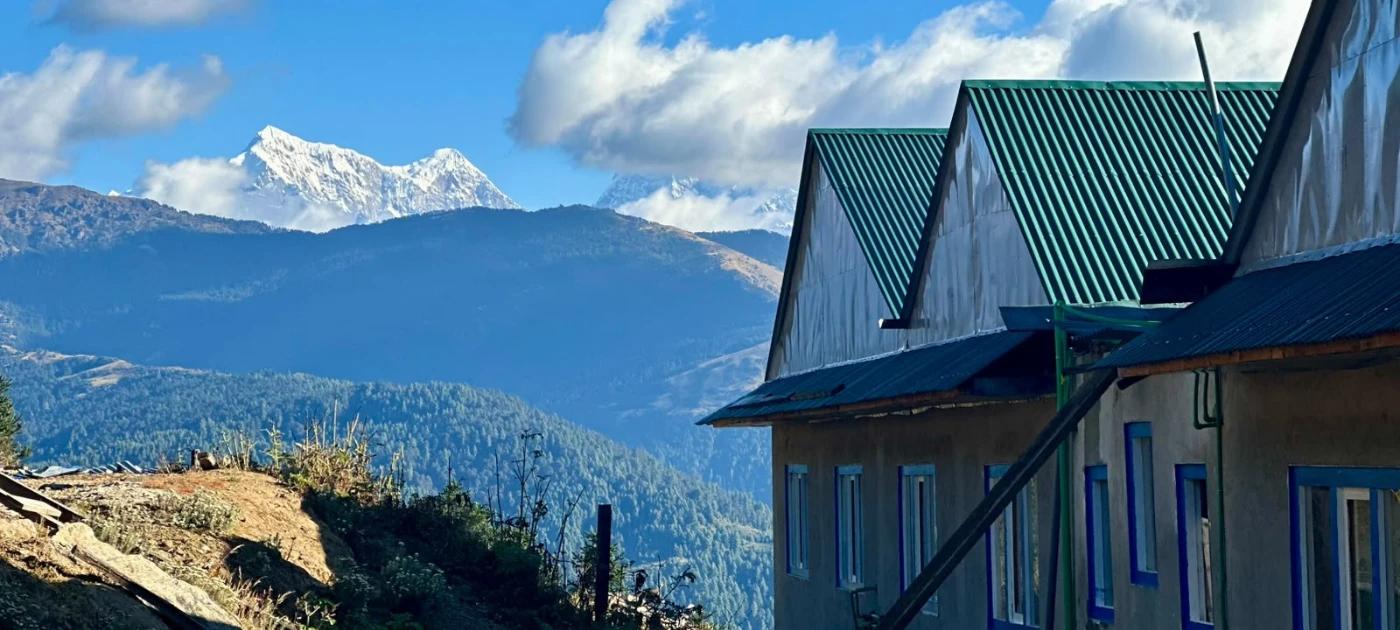
When thinking of Trekking in Nepal, most would instantly think of the beautiful high peaks of the Himalayan range. Not just seeing the famous Mount Everest, Lhotse and Makalu but the beautiful mountain range as a whole inspires people to pack their bags and head into the mountains. But there are so much more to discovering the Himalayas than stunning views from the top. It's not just the beautiful mountainous landscape but the people who live there, their traditional way of life and the beautiful villages.
The Pikey Peak Trek provides the opportunity to experience both sides of the Himalayas. This peaceful trekking route takes you to traditional Sherpa villages, beautiful ancient paths, Buddhist monasteries and stunning mountain ranges. You will experience a side of Nepal that is often overlooked.
Every step of the way will give you insight into the Sherpa way of life. Although the breathtaking views from the top of the peak are a big highlight of the trip, but the culture experienced along the way really makes this trip special.
Traditional Sherpa Villages
Along the journey to Pikey Peak you will experience many peaceful mountain villages. This route takes you through villages that are not as commercialised as other trekking areas in Nepal.
You will start to get a real insight into the local communities in Jhapre and Junbesi. The villages are built with beautiful stone walls and wooden windows with sloping roofs. All set around lush green hills and distant mountain peaks. The villages are surrounded by small farms with narrow paths connecting the homes, monasteries and other villages.
The villages have a very relaxed lifestyle. Locals are busy tending to their farm land, looking after their animals, welcoming guests and continuing traditions that have been passed down through generations. Just by walking through the villages you will gain more insight into the area.
The villages provide a great opportunity to take your time and really appreciate the everyday life in this part of the Himalayas.
Understanding Sherpa Culture Beyond the Mountains
Whilst the Sherpa community are well known for their connection to Himalayan climbing, their culture is built around many other things. The Sherpas' culture is influenced by Tibetan Buddhism. They have a strong sense of community, family values and connection to the mountains.
Throughout the area you will see evidence of this. There are many brightly coloured prayer flags hanging over the paths and roofs of the villages. Mani Walls and small chortens are placed throughout the route. These are all very important to the local communities.
You may notice locals spinning prayer wheels, going to visit monasteries and attending religious events.
Having a local guide means you can really understand the significance of these spots. You will learn why they are there and what they mean to the locals.
Jhapre: A Peaceful Village with Beautiful Mountain Surroundings
Jhapre is one of the first places you will visit that will leave an impression. The village is situated on a hillside and surrounded by beautiful green landscapes. This is a great introduction to the more relaxed side of Solukhumbu.
The village is very picturesque in the morning and evening. On a clear day you will get beautiful views of the distant mountain peaks. The village has traditional homes, open fields and small monasteries giving a friendly vibe.
Here you will start to get an understanding of how the villages connect to the landscape. The paths are used by locals and trekkers. The hills and grazing areas are part of their everyday life.
This is a great place to stop and really get into the rhythm of the trek. You can really take your time to enjoy the beautiful landscape, chat to locals and appreciate the little details that make this place special.
Exploring Buddhist Traditions and Monasteries Along the Trail
Many Sherpas in the Solukhumbu region follow the Buddhist religion. On your way to Pikey Peak you will come across many religious spots.
Throughout the area you will find many beautiful monasteries, prayer flags, mani walls and chortens. Some are found in the villages and others are nestled in the paths or open hillsides. This gives the area a unique vibe.
One of the main cultural spots in the Junbesi area is the Thupten Chholing Monastery. This is a beautiful spot to learn about the monastery life in the area. If time and conditions allow you can include this into the Junbesi exploration day.
Visitors should remember that monasteries are active religious sites. It's important to dress appropriately, keep your voice down and listen to the locals' guidance helps to ensure that visits remain considerate of the people who use these places for worship and study.
Having a knowledgeable guide will help you understand the local customs and be respectful.
Junbesi: A Village Where Culture and Mountain Life Come Together
Junbesi is a must visit whilst on the Pikey Peak route. This traditional Sherpa village is surrounded by beautiful forested hills. The village has a friendly vibe that will make you want to stay a little longer.
This village is well known for having traditional homes, Buddhist religion and friendly vibe. The village is full of narrow paths, prayer flags hanging over the roofs, stone walls surrounding homes and small shops for the locals and trekkers.
It is a great place to really see how the locals live their everyday life. You can watch locals doing their daily tasks, enjoy traditional food and learn how they adapt to their mountainous lifestyle.
The Junbesi day in our 10 Day Pikey Peak itinerary is not just another night stop. We spend time exploring the village and area. After a few days on the trail it is a nice slow day to really enjoy the culture and take a break.
Local Food and the Warm Hospitality of Mountain Communities
Throughout the Pikey Peak Trek you will find many teahouses and local lodges offering simple freshly cooked food.
Dal Bhat is a popular dish. It is a filling dish made up of rice, lentils, vegetables and pickles. You may also come across some Tibetan inspired dishes such as thukpa (warm noodle soup) and momo (dumplings that are enjoyed in many parts of Nepal).
Some villages will have traditional butter tea. This has a unique taste and cooking process.
Often the food isn't the main thing. It is often the friendly nature of the locals that really makes an impression. Chatting to the lodge owners, having a warm welcome after a long day of walking or just having a cup of tea with the locals can be some of the most memorable moments of your trip.
Staying in local owned teahouses means you are supporting the local communities. This means you are getting involved with the small interactions that make trekking more meaningful.
How the Landscape Shapes Everyday Life in the Pikey Peak Region
The beautiful landscape in Solukhumbu has a huge impact on how the local people live their lives. They have a strong connection to nature with farming, animal keeping and using the forest.
As you move up and down the elevation you will notice changes to the landscape. The lower areas have terraced farming, scattered villages and pockets of forest. The higher areas have open landscapes with rhododendron forest, alpine meadow and large hills.
During the Spring months the rhododendron forest adds colour to parts of the route. During Autumn you will have beautiful blue skies and crisp mountain air. This also affects how the locals farm and looks of the villages.
Walking through these beautiful landscapes with someone who knows the area can add another element. They will be able to tell you the meaning behind certain places, seasonal changes and connections between the villages and nature.
Why a Local Guide Makes the Cultural Experience More Meaningful
Having a guide on your trek does so much more than just show you the way. Having a local guide on a route like Pikey Peak can make a big difference.
Having someone you know and can relate to who knows the villages, paths and local customs can really help connect you to the local communities. They will be able to tell you about the cultural traditions, suggest the right places to visit and help you understand the significance of what you are seeing.
A good guide will also pay attention to the little details. Knowing when to take a break, walking at a comfortable pace, communication with the local teahouses and adapting to the weather and path conditions. This will make your journey run smoothly.
On our Pikey Peak Trek we focus on these little details. We work with local trekking professionals who know the area and know how to make your journey enjoyable. Our guides will not only share their knowledge but they will also create a friendly atmosphere, help with organisation and remain calm in any unexpected situations.
We believe a well organised trek should feel natural. The best experiences often happen when everything is organised thoughtfully in the background so you can truly enjoy the mountains and people.
Being Responsible & Respecting the Local Culture
The communities along the Pikey Peak route are not just a tourist attraction. They are peoples homes, jobs and culture. It is important to respect their traditions and try to have as little impact as possible.
Simple changes can make a difference. Always ask before taking photos of people. Dress appropriately when visiting religious sites. Don't interrupt prayer ceremonies or other cultural activities. Try to carry reusable water bottles and dispose of your rubbish responsibly. Support the local lodges and businesses.
Try to be curious and respectful when visiting cultural spots. Talking to the locals or having a quiet visit to a monastery can be more rewarding than trying to fit too much in.
Being responsible will help keep the culture of the area. This will also mean future visitors can enjoy the friendly atmosphere.
Why the Cultural Side Makes the Pikey Peak Trek Worth Experiencing
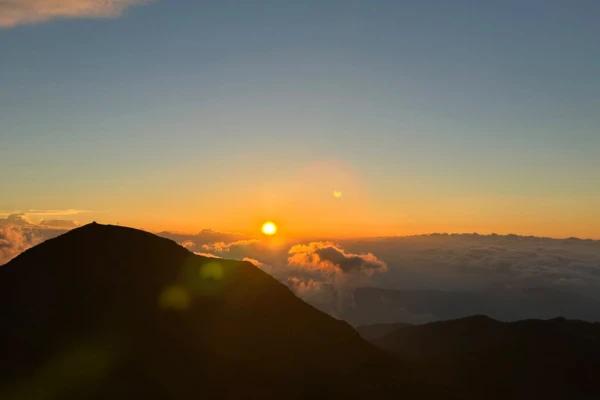
The Pikey Peak Trek is often recommended because of the stunning views of Mt Everest and the surrounding area. The panoramic views from the summit (4065m) can be incredible. Especially during sunrise when the first light hits the snowy mountains.
However,
The traditional villages, Buddhist monasteries, forest paths and everyday connections to the locals really makes this trek have a deeper character. You will really get to know the area at your own pace. Spending time in villages like Jhapre and Junbesi and understanding something about the locals who have built their lives in the mountains.
Our 10 Day itinerary means you have enough time to really enjoy these experiences. We gradually build up to the viewpoint with carefully planned overnight stops. We also have a dedicated Junbesi day. We work with local guides who know the route and local communities. This makes your experience more than just walking days.
If you are looking for an adventure in the Himalayas with beautiful mountain views and real cultural experiences then the Pikey Peak Trek is a great choice.
Experience the Culture & Stunning Beauty of the Sherpas
The Pikey Peak Trek provides a different experience of the Everest area. This takes you away from the most busy trekking routes and into an area with traditional villages, Buddhist culture and beautiful mountains.
Although you may go for the sunrise views, often the most memorable parts of your trip will be the peaceful moments. Walking through a village in the morning, eating at a local teahouse, learning about a monastery or your guide telling you about the history of a place you may have otherwise not noticed.
With careful planning, local knowledge and enough time to really enjoy your journey these experiences will become an important part of your trip.
If you are looking for a journey that combines the stunning beauty of the Himalayas and rich culture of Solukhumbu then why not explore our 10 Days Pikey Peak Trek and see a different side of Nepal.